IN MINOR KEYS
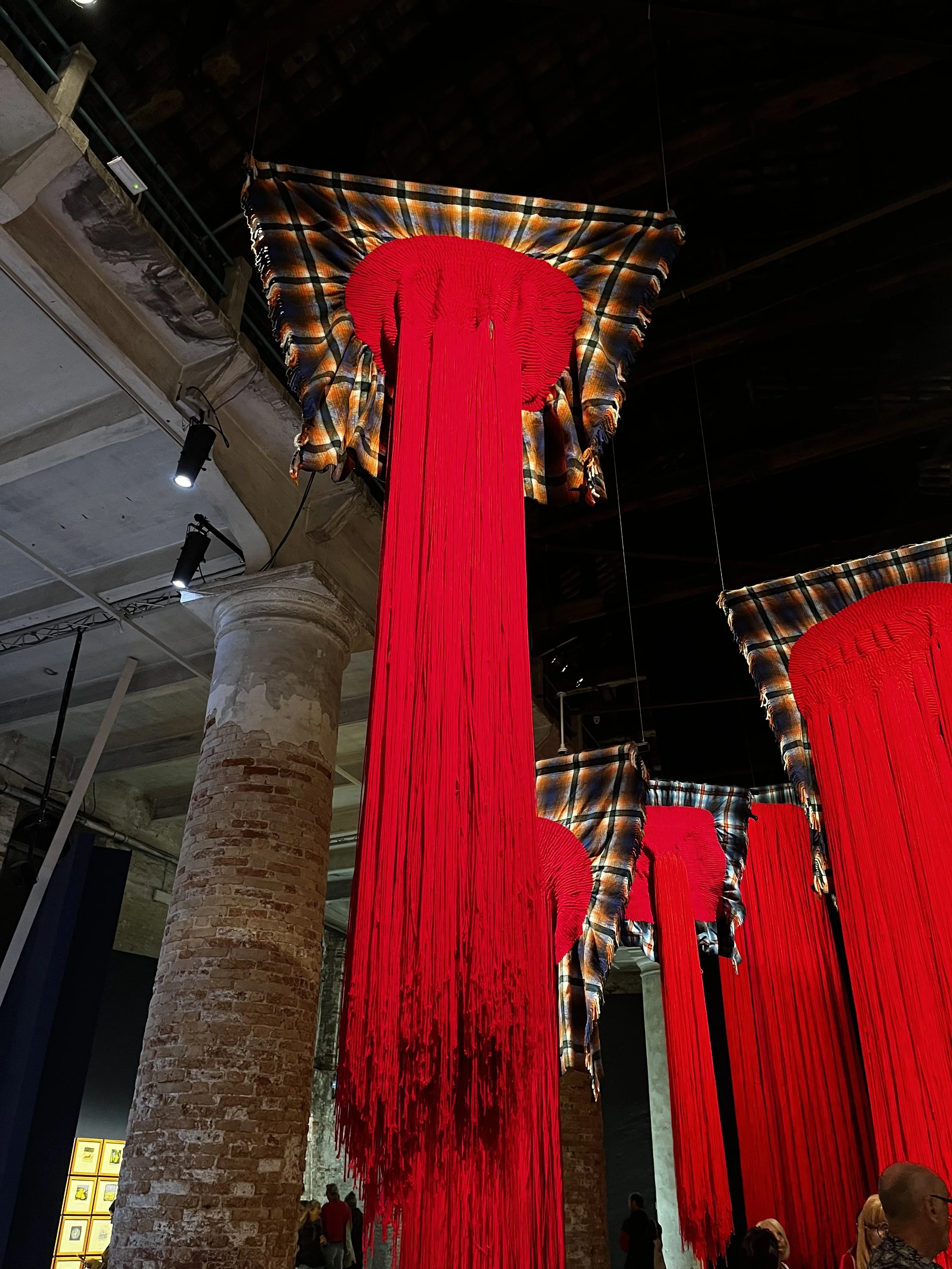
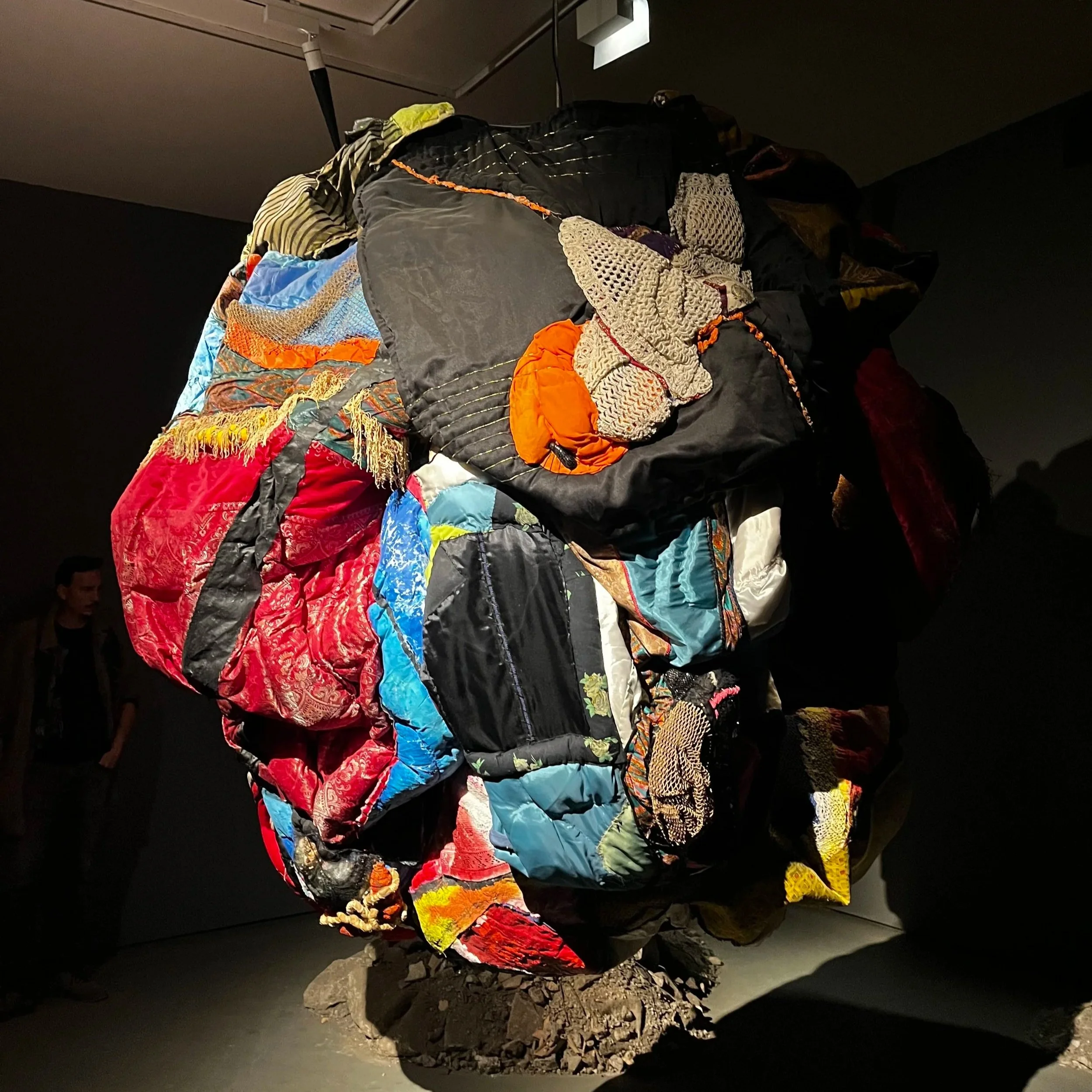
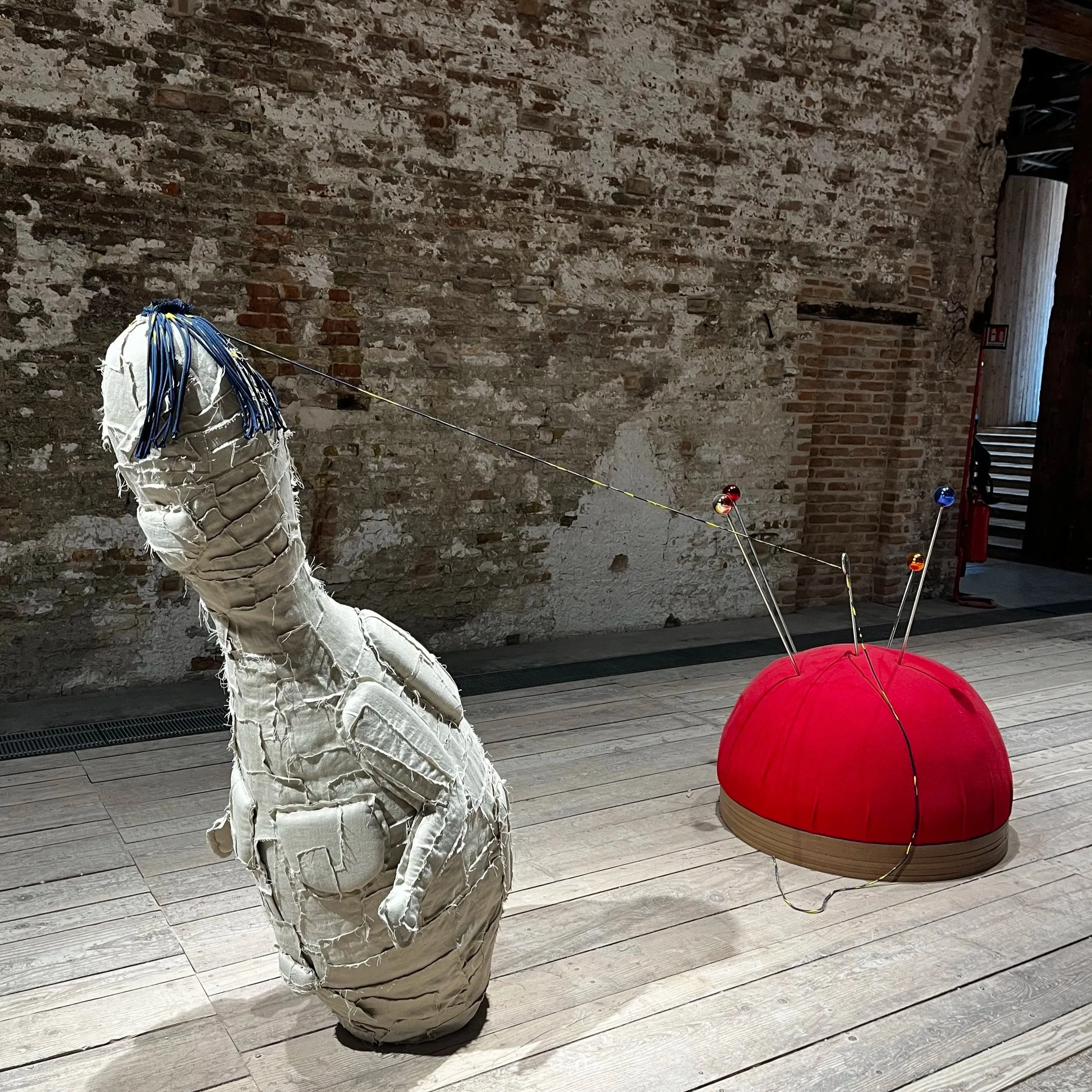
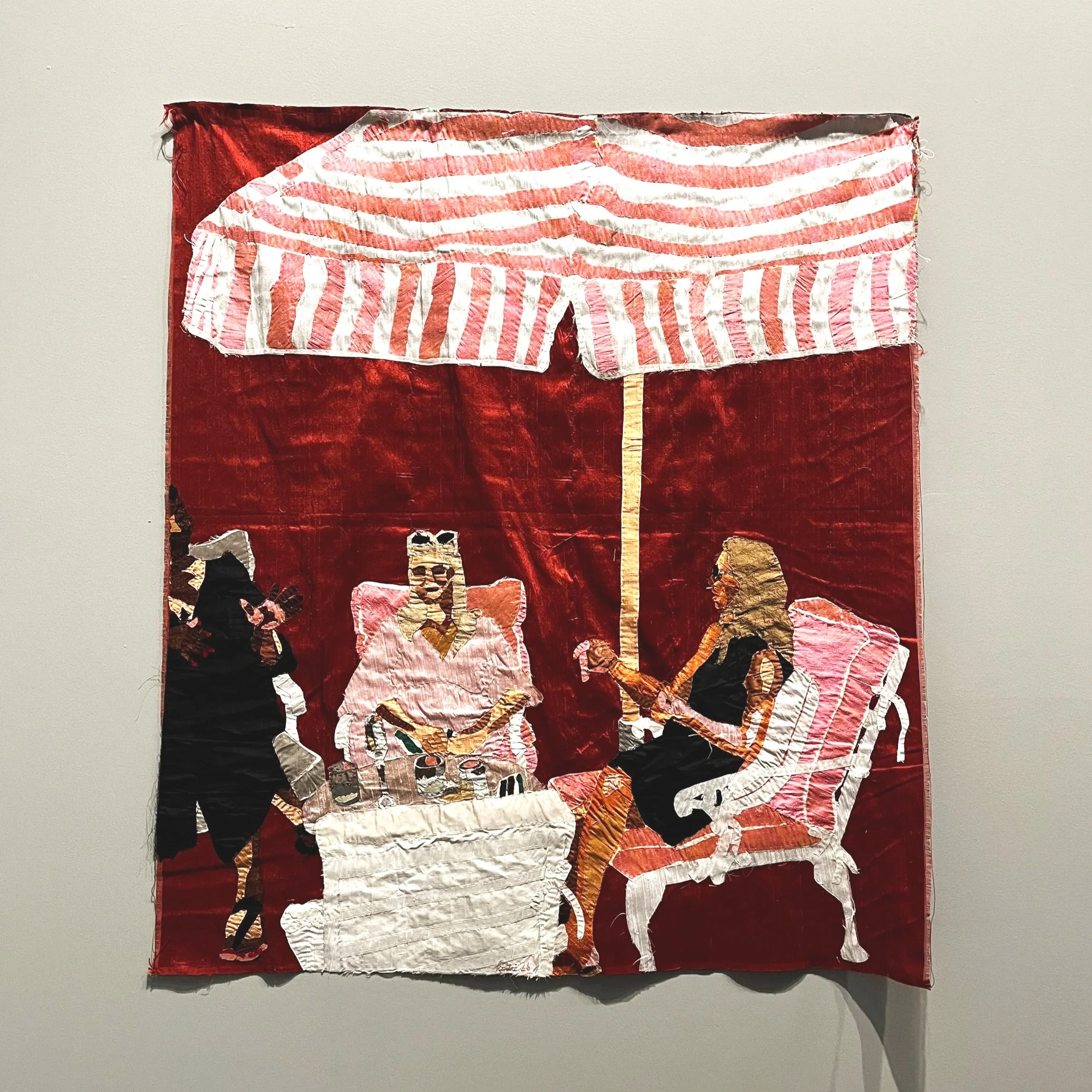
The Venice Biennale closes on November 22, and I'm writing this from my desk in the gallery after reflecting on my experience visiting the fair in Venice last week. Consider this post a gallery owner's perspective on the exhibition after taking it all in, with an unapologetic bias toward anything made of thread.
A QUIET EXHIBITION IN A LOUD WORLD - The 61st Biennale, titled In Minor Keys was conceived by the curator Koyo Kouoh, who developed the project before her death in May 2025. She was the first African woman appointed to lead the Biennale's central show. Her team carried the exhibition forward as she defined it.
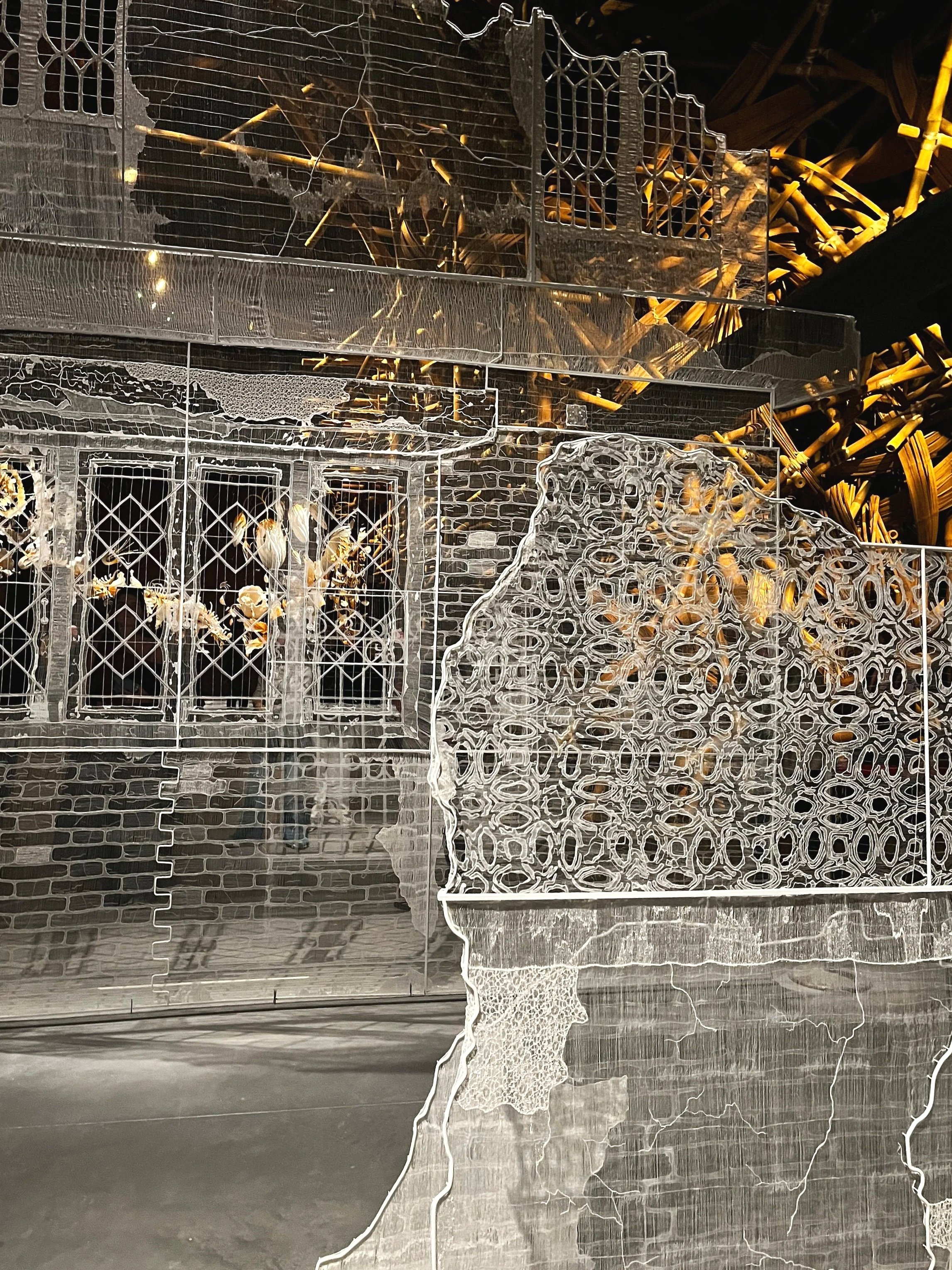
The title is a musical metaphor. The show proposes a move away from spectacle and toward slower, more sensorial encounters with art. In her curatorial text, Kouoh describes minor keys as living in quiet tones and lower frequencies, "the hums, the consolations of poetry."
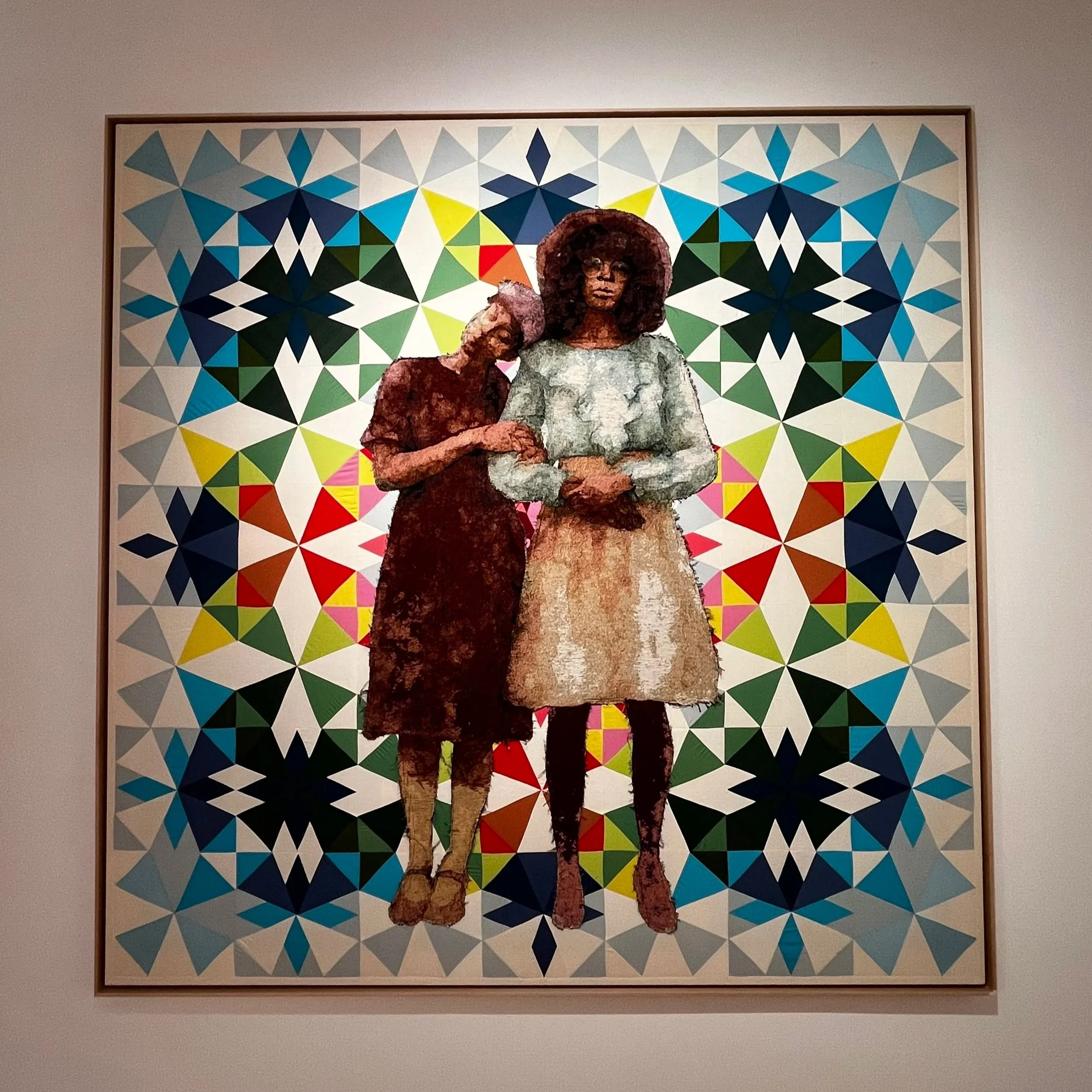
WHY A TEXTILE GALLERIST HEARS THIS DIFFERENTLY - I opened a gallery devoted to textile art partly because the medium has spent centuries being filed under "minor", decorative, domestic, craft, women's work. The divide between fine art and textiles is artificial and gendered. So when a major exhibition says the quiet, the intimate, and the overlooked deserve our full attention, I’ll gladly give mine.
Minor has meant "lesser" for a long time. Kouoh asks us to hear it as a different register entirely, one that rewards patience. I can't think of a medium that demands slow observation more than cloth. You have to get close to see the hand in it.
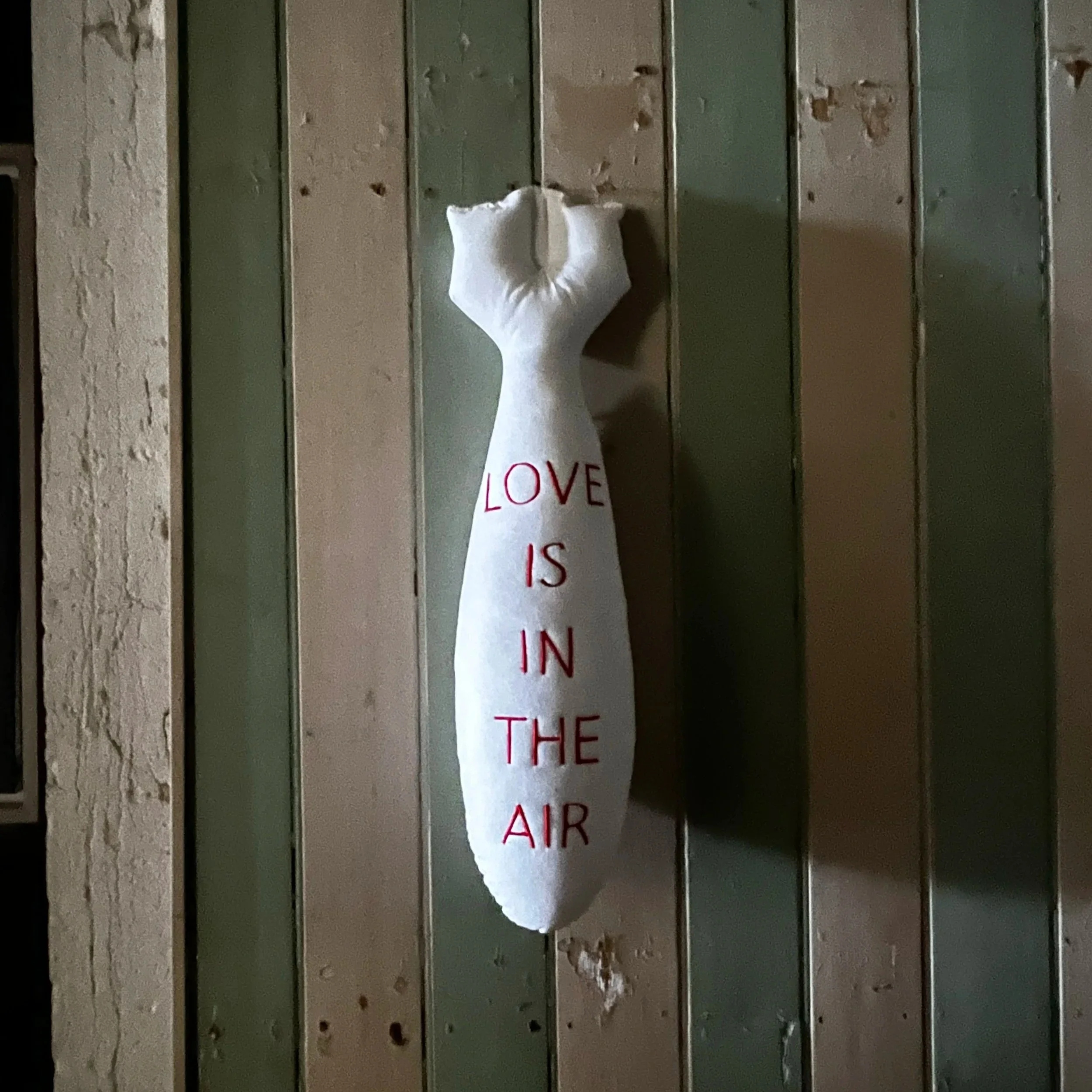
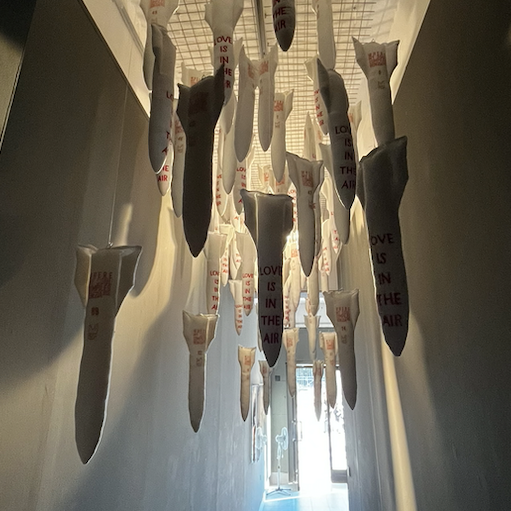
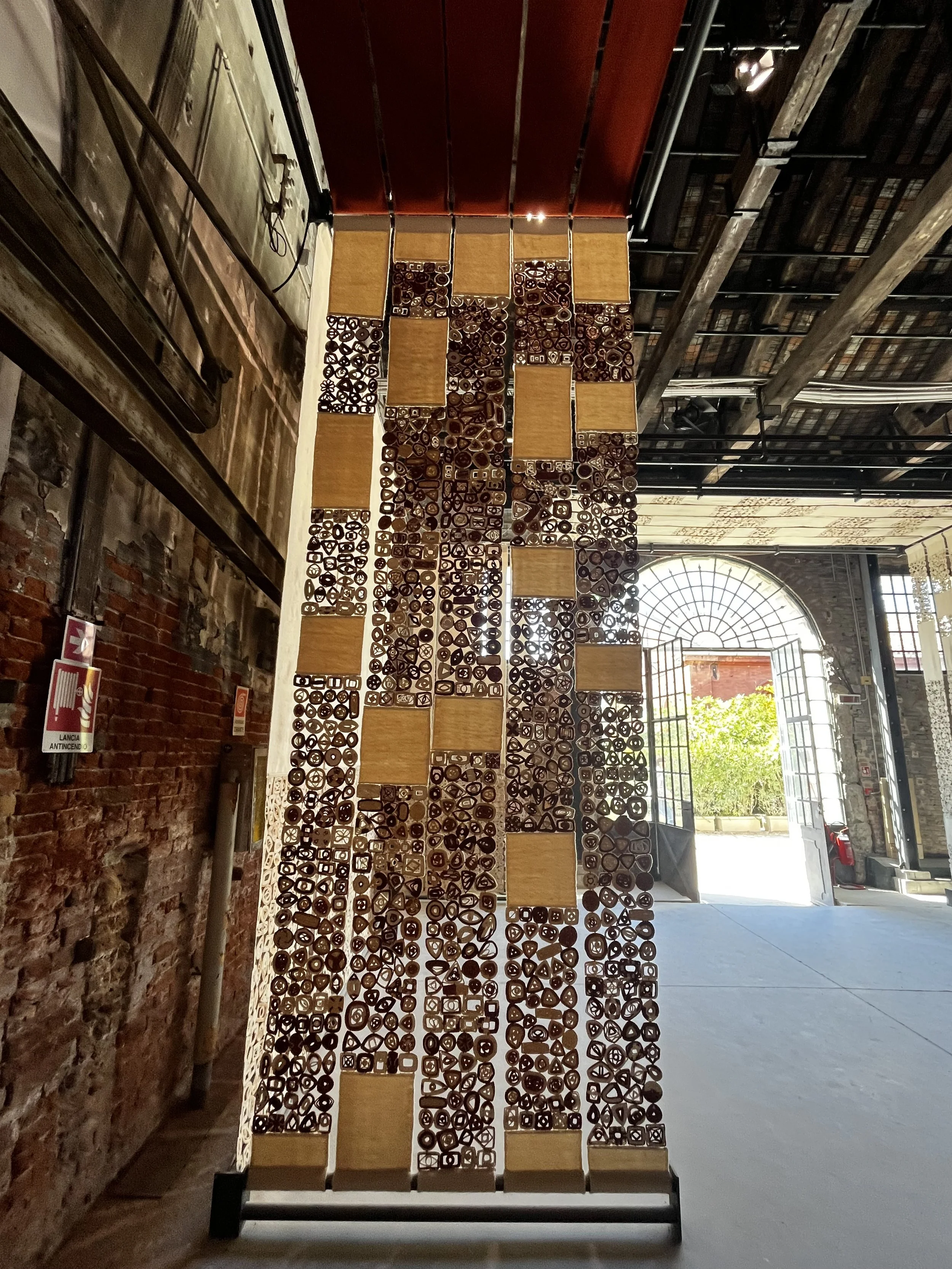
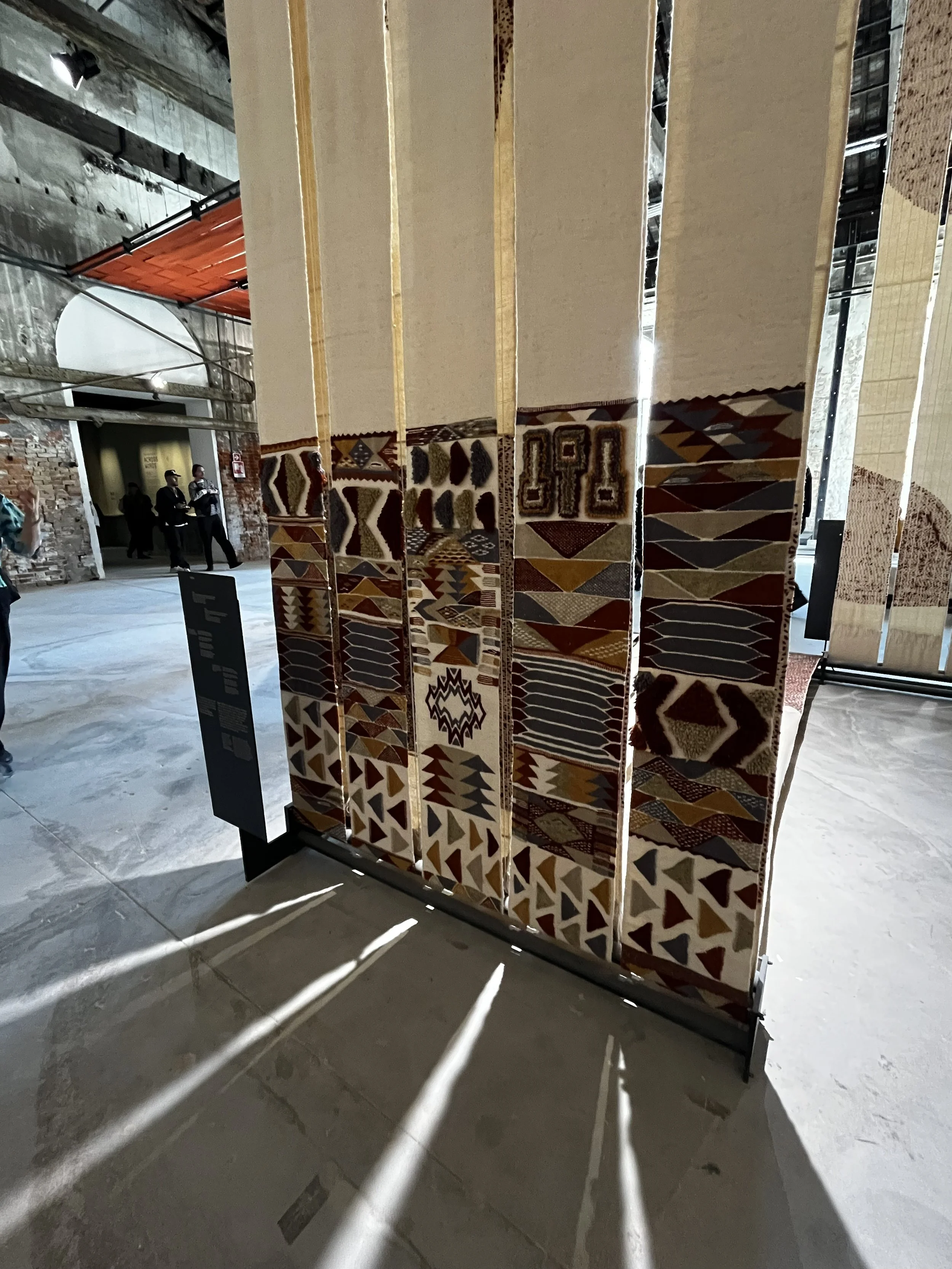
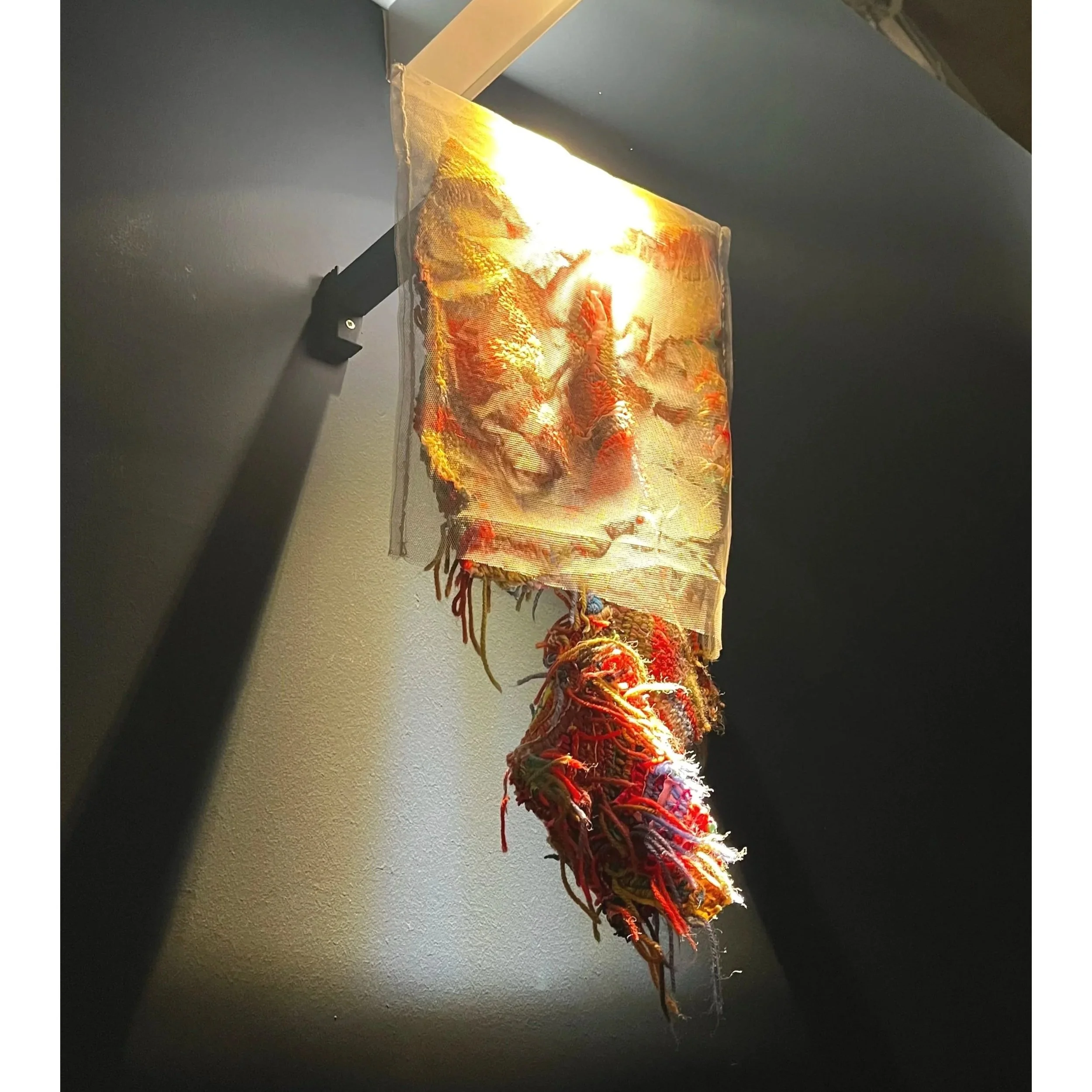
There is plenty of fibre art in the wider Biennale and it holds and equally prominent place to works using more “conventionally accepted” mediums. One of my favourite installations from Morocco was making its debut with its first national pavilion, Asǝtta, a project by Amina Agueznay. Agueznay innovates on the traditional practice of Moroccan wool weaving by hand-weaving large works of improvised graphic design. Meanwhile The Palestine Museum (US) brought an exhibition of Palestinian tatreez to the Biennale, titled Gaza - No Words. Tatreez is cross-stitch embroidery, a practice carried in families and communities long before anyone thought to hang it on a wall.
Both are a reminder that what the art world calls "emerging" in textile is often very old knowledge finally getting its microphone.
WHAT I'M TAKING HOME (unfortunately none of the art) - A quiet theme inside a very loud event is a paradox, and Kouoh's idea seems robust enough to hold it. I think that's the right tension to sit with. It also lets me circle back to something I wrote in a previous blog post, Dries Van Noten's new Fondazione in Venice opened with a show called The Only True Protest Is Beauty, a title I still don't quite feel is accurate. Maybe the minor key is the better protest: not louder, just harder to ignore once you've really listened.
So the next time you’re in the presence of textile art, stand close to it, and give it longer than feels polite. Notice the tension in the stitching, the repair someone made decades ago, the place where the maker changed their mind. That's a minor key too.
Sources & further reading:
La Biennale di Venezia, 61st International Art Exhibition: In Minor Keys
Designboom, Venice Art Biennale 2026 guide
Portray Mag, Venice Biennale: In Minor Keys, 2026